CAD CAM in dental implantology
The current concepts
Indian Society of Digital Dentistry
3/28/20261 min read
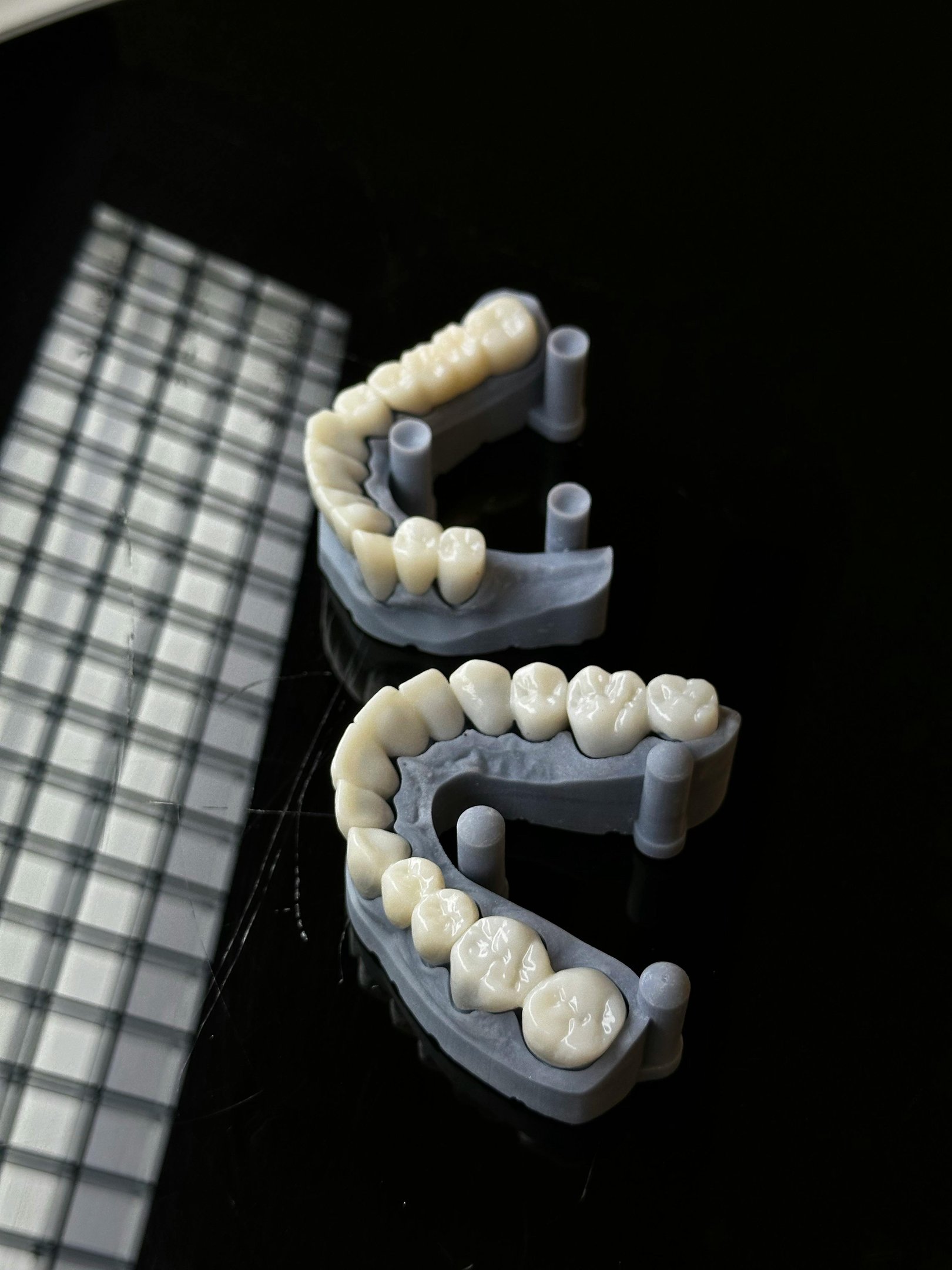
In 2026, the landscape of CAD/CAM dentistry has evolved dramatically, especially in the realm of implant dentistry. As technology advances, digital solutions are becoming increasingly integral to the workflow, enhancing both efficiency and accuracy in treatment planning and execution.
One of the most significant advancements is the integration of artificial intelligence (AI) and machine learning in CAD/CAM systems. These technologies allow for more precise implant placement by analyzing complex data sets derived from 3D scans. As a result, implantologists can now predictably achieve optimal outcomes, reducing the need for adjustments and rework during surgeries.
Moreover, the use of augmented reality (AR) and virtual reality (VR) technologies has transformed the educational and planning aspects of dental implantology. Implantologists can visualize the surgical site in a 3D space, making it easier to strategize and communicate with patients about their treatment plans. This has significantly improved patient education, as visuals can often convey complex information more effectively than traditional methods.
Another key development is the increased use of biocompatible materials manufactured using advanced 3D printing techniques. These materials not only improve the aesthetic results of implants but also enhance healing and integration within the jawbone. As these materials become more widely available, it is crucial for dental professionals to stay updated on the latest innovations.
Finally, the trend towards teledentistry continues to grow, allowing implant specialists to consult with patients remotely. This not only increases access to care but also streamlines the process of treatment planning. Overall, the future of CAD/CAM and implant dentistry looks promising, as these technologies collectively work to enhance patient outcomes while simplifying procedures for clinicians.
Contact
Questions? Reach out anytime.
Phone
ISDD© 2026. All rights reserved.
+91 89839 34493
Designed by Identicraft Global